Robotic Automation and Smart Docking Systems
Latest Update: August 15, 2026
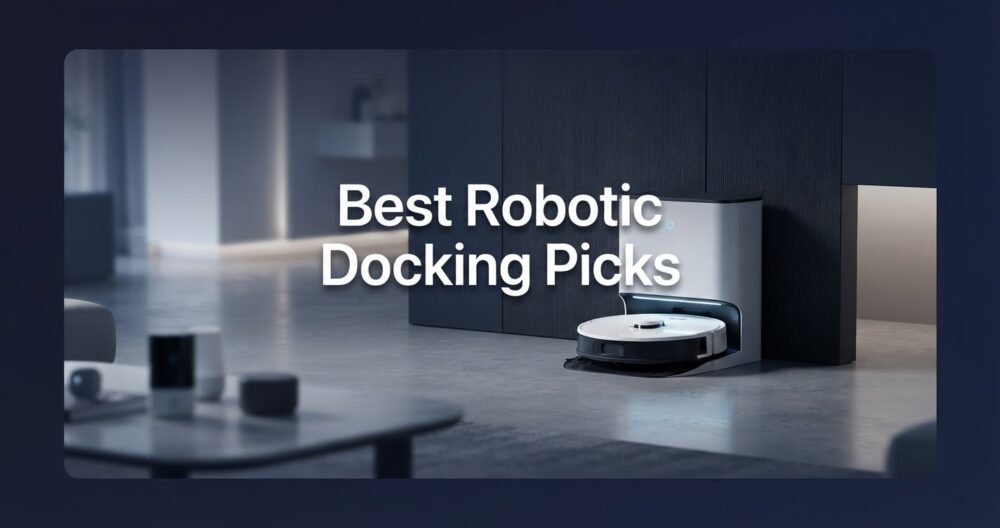
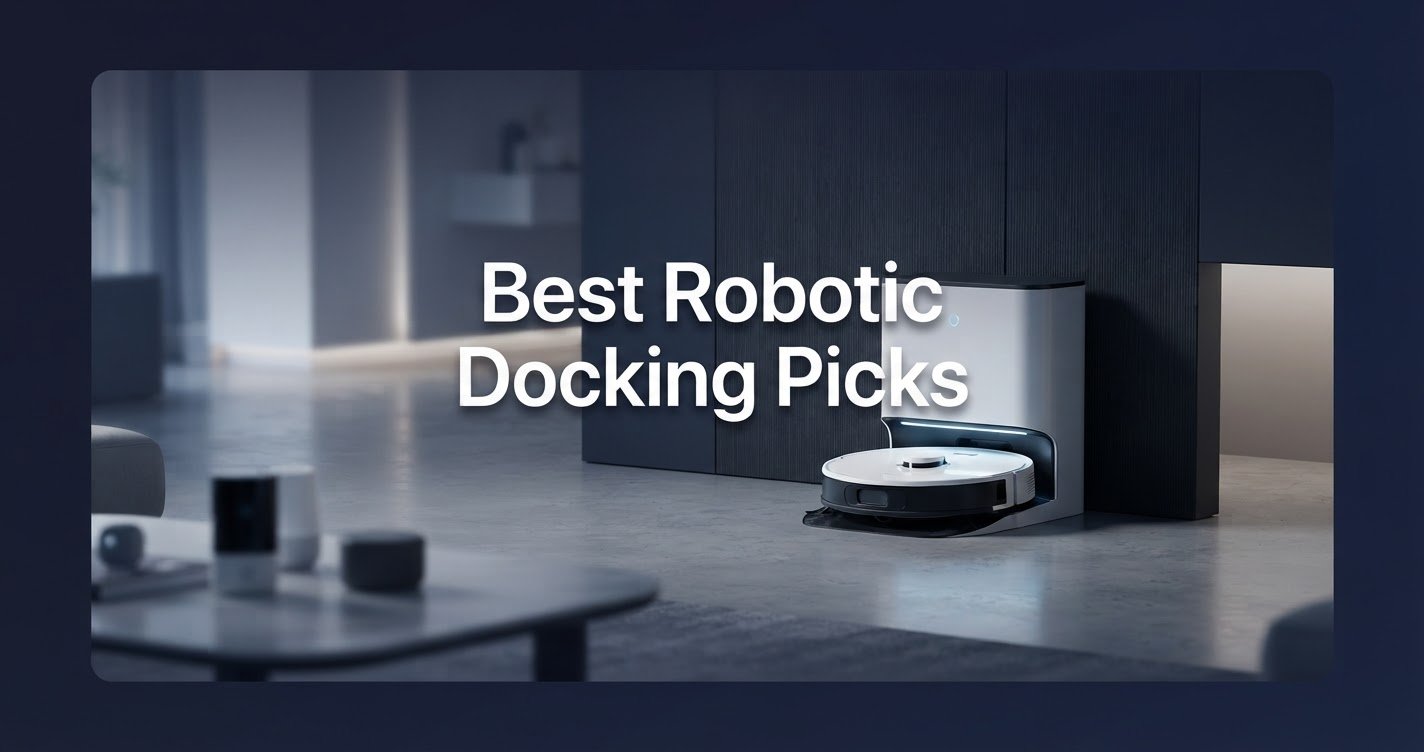
In 2026, mobile automation is moving from “nice to have” to “must work,” and one of the most eye-opening signals is that the mobile robot docking station market was valued at USD 306 million in 2024 and is projected to reach USD 1,353 million by 2034. That pace matters for Robotic Automation & Smart Docking Systems, because docking is the difference between a robot that runs all day and one that needs you to babysit charging, cleaning, and consistency.
Key Takeaways
| Quick answer | In 2026, the best robot cleaning setups pair dependable navigation with docking that reduces your hands-on time. |
| What to prioritize | Smart docking reliability, obstacle-aware behavior, and maintenance workflows (especially filters and refill routines). |
- Robotic Automation & Smart Docking Systems succeed when charging, cleanup, and scheduling work together without frequent resets.
- In 2026, “hands-off” means the docking station handles more than just power, including cleaning and refill behaviors in advanced models.
- If you have pets, prioritize robot cleaner for pet hair performance and docking consistency during daily cycles.
- For real-world floors, edge cleaning and pickup consistency decide whether you end up redoing passes.
- Maintenance is not optional, we treat filters like a car air filter (ignore it and performance silently collapses).
- For more model comparisons and practical buying guidance, explore our robot vacuum guides and reviews.
- Need help deciding where to start? Browse our product reviews for 2026-focused picks.
Why Smart Docking Is the Real Backbone of Robotic Automation & Smart Docking Systems
Forget everything you thought you knew about robot vacuums. Most people compare suction power or mop performance, but in practice, the docking system decides whether your robotic hoovers stay ready day after day.
When Robotic Automation & Smart Docking Systems are engineered well, you get repeatable cleaning sessions without interruptions. When they are not, you end up dealing with missed schedules, partial charges, and extra maintenance.
Join me as we dissect what that looks like for real homes in 2026.
- Charging reliability: A smart docking base must align consistently and feed power safely so your robot cleaner is always ready.
- Workflow continuity: Advanced docking designs support station-based routines like cleaning, refilling, or drainage behaviors (depending on model).
- Floor safety: Docking placement affects navigation, especially with rugs, thresholds, and multi-floor layouts.
- Maintenance planning: Docking reduces daily work, but it does not eliminate it, you still need to manage filters and tank routines.
Ask: “When the robot finishes a job, does it reliably return, and does the station set it up to do the next job well?” That is the backbone of Robotic Automation & Smart Docking Systems.
Mobile robot docking station revenue is projected to soar from $306 million in 2024 to $1,353 million by 2034.
What “Smart” Base Stations Tend to Handle in 2026
In 2026, robotic hoovers are increasingly paired with intelligent base stations that reduce your involvement. And when we say “reduce,” we mean fewer manual interventions between cleaning runs.
Here are the smart station behaviors you should look for when evaluating Robotic Automation & Smart Docking Systems for everyday life.
- Charging alignment and safety: The station must dock reliably, especially when floors are cluttered or cleaned frequently.
- Automatic upkeep routines: Some systems handle station-level cleanup and preparation, so your robot cleaner with mop does not feel like a daily project.
- Refill and drainage workflows: In advanced designs, the station can support refill and drainage behaviors (model dependent), which is a major deal for mop cycles.
- Scheduling that holds up: If your home schedule changes, docking should still support consistent returns so you avoid “partial” cleaning days.
If you are trying to make robotic automation genuinely livable, this is the area to scrutinize before you buy the “best robot hoover” on pure spec sheets.
Tight Spaces and Busy Homes, How to Choose Robotic Automation & Smart Docking Systems That Actually Fit
This is where discerning homeowners win, they do not just choose a robot cleaner, they choose a system that fits their space and routines.
Nearly 35% of potential buyers cite insufficient floor space as a primary barrier, which is exactly why docking placement and layout planning matter so much in 2026.
Now, imagine this: you want your robot vacuum cleaner to run daily, but your docking area is boxed in by furniture or narrow doorways. That is when docking reliability becomes more important than extra suction claims.
- Measure your docking zone: Leave enough clearance for the robot to approach cleanly from multiple directions.
- Think about rug edges and thresholds: If your robot struggles here, smart docking can still align, but navigation can still fail.
- Plan for pet hair messes: If you are looking for best robot hoover for pet hair, ensure docking paths do not force the robot through dense shedding areas.
- Use smart routines, not wishful thinking: In 2026, consistent schedules help docking systems stay predictable.
Best Picks for Robot Vacuum Cleaner Setups With Docking-Friendly Behavior (2026)
At first glance, many robot vacuums look similar. But when you focus on docking-ready behavior, you start seeing real differences in navigation, control options, and how smoothly cleaning cycles repeat.
Below are 2026-focused picks from our Light Stick Hoover review universe, chosen for how well they support the goals behind Robotic Automation & Smart Docking Systems.
The Tikom Robot Vacuum and Mop Combo is a 2-in-1 robotic cleaning device that simultaneously vacuums and mops hard floors while also handling carpet pet hair. Its LiDAR navigation and up to 150 minutes runtime help reduce the “interrupted job” problem that often creates docking retries.
Why it fits robotic automation goals:
- Six cleaning modes for different floor needs
- Four control methods, app, remote, voice, and onboard
- Designed for repeatable daily routines across hard floors and messes
Shark Robot Vacuum Filter (Maintenance that keeps docking performance honest)
It is not merely an appliance, it is a system. And in docking-based setups, maintenance becomes the invisible hand that keeps performance stable.
Our Shark Robot Vacuum Filter guidance emphasizes rinsing washable HEPA filters every two weeks, because when airflow gets restricted, your robot cleaner performs like it is underpowered. That can affect pickup quality, and it can also increase the number of cleaning cycles that attempt docking and re-docking during the same day.
- Washable filters require a rinse schedule
- Non-washable filters need dry cleaning routines
Actionable next steps: If you want a robot vacuum cleaner that feels “effortless,” treat your filter routine like a car air filter. You do not wait for a warning light, you keep it clean.
Robot Cleaner With Mop, Docking-Based Refills, and the Maintenance Reality
Robot cleaner with mop users in 2026 learn quickly that mopping adds a workflow layer. You need reliable docking returns, and you also need predictable water and cleaning routines.
In practical terms, that means you should expect the system to require some upkeep even when docking reduces daily hands-on time. Your goal is to reduce friction, not eliminate maintenance.
- Refill planning: If your setup involves water tanks, know how often you refill and what the routine looks like.
- Mop pad care: Letting pads sit dirty is a fast path to odors and inconsistent cleaning results.
- Docking consistency matters: If your robot does not return reliably after a mop cycle, you lose the automation benefit quickly.
For homes focused on hard floors, our best robot vacuum cleaner for hardwood floors guidance is a solid companion reading. Hardwood performance is driven by pickup consistency and edge cleaning capability, and that is exactly what influences whether mop jobs need redo passes.
Actionable Next Steps: How to Build a Home Docking Setup You Can Trust in 2026
Cleaning should not be a source of pain or frustration. If you want the “best robot cleaner” experience, use a setup checklist that matches how Robotic Automation & Smart Docking Systems behave in the real world.
- Pick a stable docking location: Clear it of clutter and keep it consistent across days.
- Remove easy navigation obstacles: Lift loose cords, straighten rug fringes, and reduce doorway ambiguity.
- Set a repeatable schedule: In 2026, consistency helps the system learn your patterns and reduces rework.
- Protect filter performance: Follow filter upkeep guidance like our Shark Robot Vacuum Filter maintenance plan.
- Match the tool to the mess: For pet hair messes, choose a robot setup that supports frequent, reliable cycles.
Bonus for senior independence and dignity: If you want to reduce bending, lifting, and repeated emptying, choose docking-based automation that limits daily interactions. Your hands do less work, and the home stays more consistent.
Why We Recommend Pairing Docking Automation With Real Floor-Care Guidance
Robotic automation is only “set it and forget it” when you pair it with the basics. That means you still pay attention to pickup behavior, edge cleaning, and maintenance schedules.
If you are comparing robot vacuum cleaner options in 2026 and you want a grounded path, start with our category hubs, then go deeper into the models that match your floor types.
- Explore robotic vacuum guides for 2026 buyer direction.
- Use product reviews when you want practical comparisons.
- For hardwood-focused needs, rely on our hardwood robot vacuum guidance.
Whether you are building a daily routine for a busy household or refining a pet-friendly schedule, this approach keeps Robotic Automation & Smart Docking Systems working the way they are supposed to.
Conclusion
In 2026, Robotic Automation and Smart Docking Systems are the difference between a robot vacuum cleaner that feels dependable and one that keeps interrupting your day.
We recommend choosing setups with docking that supports consistent returns, pairing them with maintenance routines that protect airflow and pickup, and then building your home layout around predictable robot movement.
If you want the practical path to a robot cleaner that truly reduces hands-on work, start with our 2026 robotic vacuum guides, then pick the model that matches your floors, pet hair needs, and daily schedule.
Frequently Asked Questions
What are Robotic Automation & Smart Docking Systems in 2026?
Robotic Automation and Smart Docking Systems are the “base station plus routine” approach where a robot returns to dock for reliable charging and, in advanced cases, station-based upkeep. In 2026, these systems aim to reduce human touchpoints so your robot hoovers stay ready for consistent cleaning sessions.
Are robotic vacuums with smart docking worth it in 2026?
Yes, if you value consistency and fewer interruptions, robotic vacuums with smart docking are often worth it in 2026. The biggest benefit of robotic automation is fewer manual interventions, especially when docking reliability and maintenance workflows work together.
How do I choose the best robot hoover for pet hair with docking automation?
Choose a robot cleaner designed for pet hair performance and verify that docking returns are consistent during regular cycles. You should also prioritize maintenance, especially filters, because restricted airflow can turn a high-performing robot vacuum cleaner into an unreliable one.
What should I look for in a robot cleaner with mop and smart docking?
Look for docking behavior that supports reliable returns after mop cycles, and plan for refill and mop pad upkeep. In 2026, robust docking-based workflows help reduce daily effort, but mop cleanliness still requires consistent care.
Can smart docking improve charging time for robot vacuums in 2026?
Advanced station designs can reduce charging delays, and some setups support faster charging behaviors, including multi-robot station modes. In practice, the real win is less downtime between cleaning runs and more predictable schedules.
What maintenance mistakes break docking-based robot cleaning routines?
The biggest mistake is ignoring filter upkeep and allowing airflow to degrade, which reduces pickup quality and increases the need for extra cycles. Treat your filter maintenance like a car air filter, clean or rinse it on schedule so your robotic hoovers keep performing like they should.