Smart Robot Vacuum and Mop
Expertly curated analysis and automated matching systems to help you navigate the complex world of modern home cleaning technology, specifically for the 2026 market standards.
The era of simple floor sweeping is over. Today, a high performance Robot Vacuum and Mop is a sophisticated piece of household robotics designed to handle diverse floor types, stubborn debris, and deep mopping tasks without human intervention. At Light Stick Hoover Review, we understand that consumers face a confusing array of specifications, ranging from suction power measured in Pascal units to the complexities of LiDAR versus camera based navigation.
Our selection logic and detailed reviews focus on the practical application of these technologies. We analyze how systems like the Narwal Freo X10 Pro and the Roborock Qrevo S Pro perform in real world environments. Whether you are dealing with persistent pet hair or delicate hardwood floors, finding the right hybrid system requires a deep look at dock automation and brush design.

Modern flagship models feature comprehensive docking stations for hands free maintenance.
How Our Selection Generator Works
This page serves as a comprehensive resource for our interactive recommendation logic. The generator we provide helps users filter through hundreds of available models to find the perfect match based on specific home variables. It processes data points such as floor square footage, the presence of high pile carpets, and the volume of pet shedding in your household.
By inputting your home details, the system produces a tailored report that highlights the most efficient robotic systems. This saves hours of manual research and prevents the common mistake of buying a budget unit that cannot handle the specific demands of a large, carpeted home.
What the Selection Generator Produces
When you utilize our decision tools, the output provides a multi faceted view of your ideal cleaning companion. You will receive:
- ✅ Suction Power Targets: Recommendations on whether you need 5,000Pa or the current 8,000Pa benchmark for deep cleaning.
- ✅ Docking System Requirements: An analysis of whether a simple charging base is sufficient or if you require a full service dock with mop washing and drying.
- ✅ Navigation Profiles: Guidance on LiDAR versus AI obstacle avoidance based on your home layout and lighting conditions.
- ✅ Maintenance Intervals: Realistic projections of how often you will need to replace dust bags or refill water tanks.
Core Industry Benchmarks for 2026
Our research into the current market reveals that the standard for excellence has shifted significantly. Consumers no longer settle for robots that simply drag a wet cloth across the floor. The new standard involves active scrubbing and intelligent mop management.
Suction Power
Top tier models have now reached a benchmark of 8,000Pa. This level of suction is specifically designed to extract dirt from the base of carpets and manage heavy pet hair cycles. Models that fall below 4,000Pa are generally relegated to hard floor maintenance only.
Docking Automation
Self emptying base stations have evolved. The most advanced systems now offer up to 75 days of hands free cleaning before the internal dust bag requires replacement. This reduces daily handling and improves the overall user experience.
Mopping Technology
We distinguish between stationary mop pads and premium spinning or oscillating pads. Flagship models often feature mop lifting technology, which allows the robot to transition from mopping a tile floor to vacuuming a carpet without wetting the fibers.
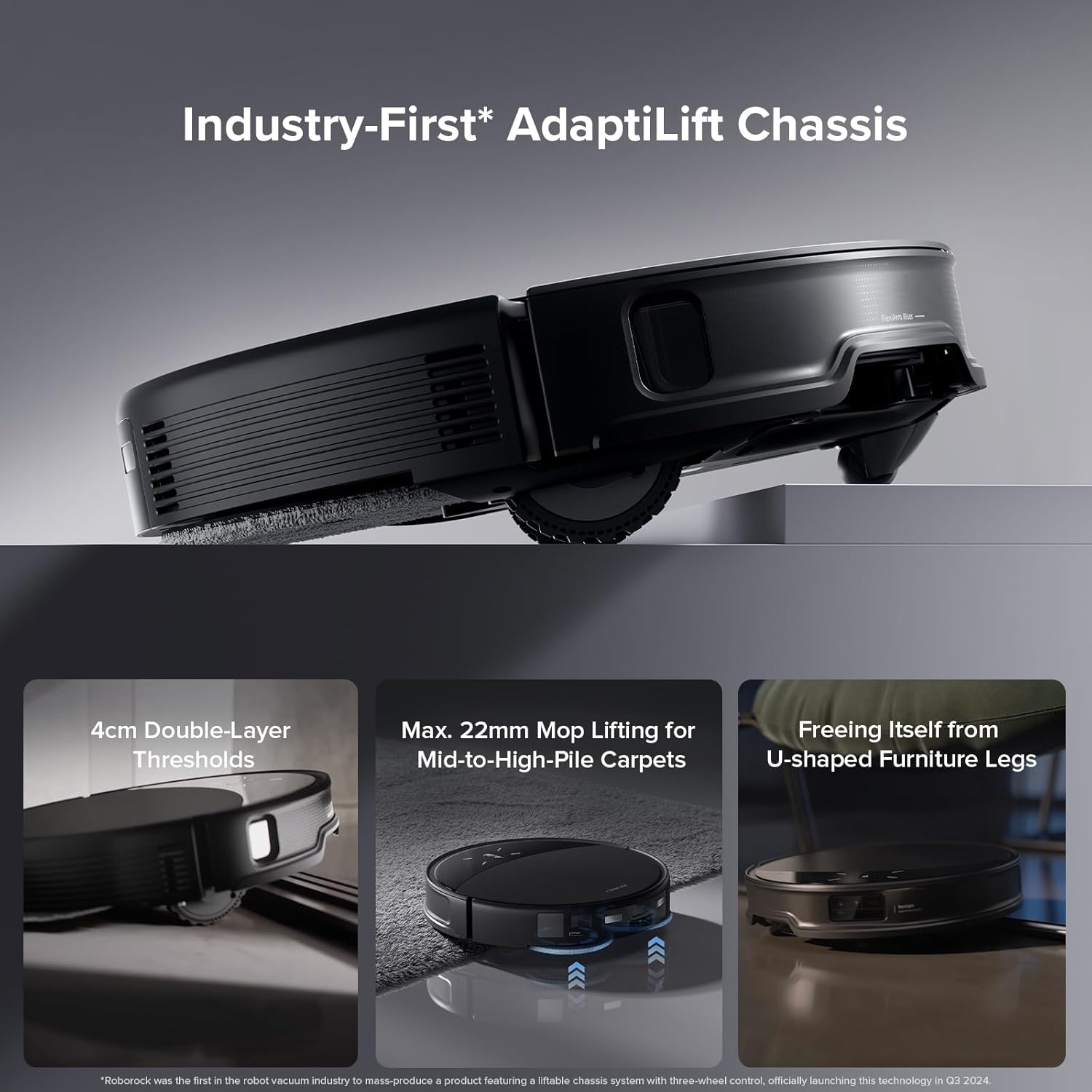
Internal components of a hybrid system showing the suction motor and mopping assembly.
The Importance of Obstacle Avoidance
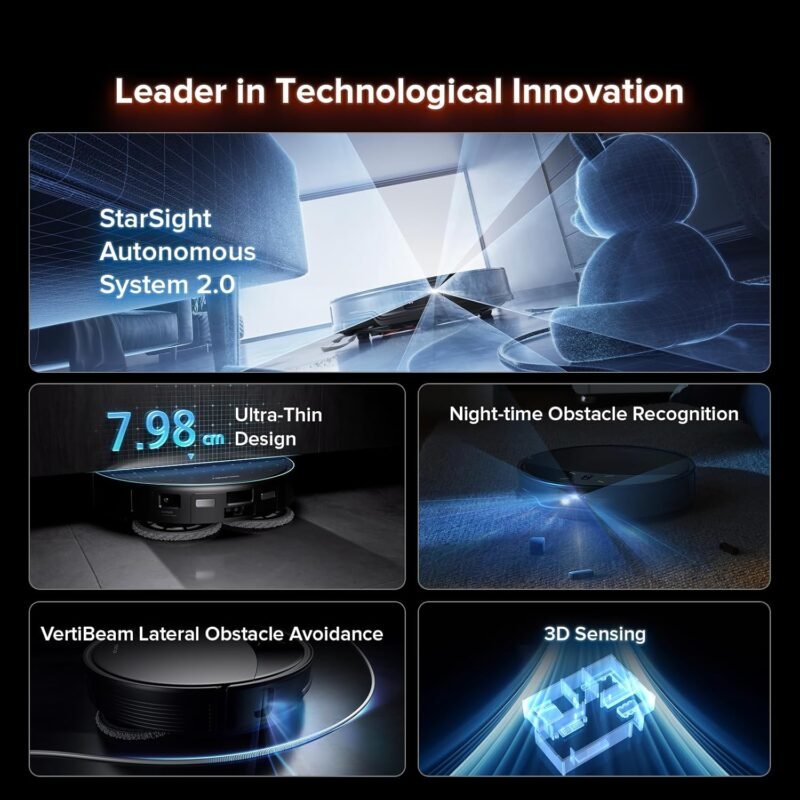
One of the most frequent complaints among robotic vacuum owners is the tendency for units to get stuck on cables or small objects. In 2026, AI driven obstacle avoidance using dual cameras or structured light has become a critical feature. For households with children or pets, these systems are essential for ensuring the robot completes its schedule without requiring human rescue.
Use Cases and Generated Outputs
To better understand how our generator assists users, consider these common scenarios and the typical recommendations provided:
The Busy Pet Owner
For homes with heavy shedding, the generator typically suggests models like the Narwal Freo X10 Pro. This unit is praised for its active hair removal and powerful roller mop system. The output would emphasize anti tangle brush technology and high capacity dust bags to manage the increased volume of fur.
The Modern Minimalist with Hardwood Floors
In homes with primarily hard surfaces, suction power is less critical than mopping precision. The system might recommend the Roborock Qrevo S Pro, which excels in smart dock convenience and deep clean performance on tile and wood. You can find a detailed comparison of these two leaders in our guide on Narwal Freo X10 Pro vs Roborock Qrevo S Pro.
The Multi Level Home
Navigation and mapping storage are the primary focus for homes with multiple floors. The generator identifies robots capable of storing multiple floor plans and highlights the need for a lightweight unit if the owner plans to move the robot between floors manually. For those interested in wider automation trends, our section on robotic automation and smart docking systems offers deeper insights.
Expert Maintenance Advice
Owning a Robot Vacuum and Mop is not entirely maintenance free. To ensure longevity, we recommend regular checks of the following components:
- Sensors: Wipe down LiDAR covers and cliff sensors every two weeks to prevent navigation errors.
- Brushes: Even with anti tangle technology, check for wrapped hair or threads that can strain the motor.
- Mop Pads: If your dock does not have a hot air drying feature, remove and wash mop pads frequently to prevent odors.
- Dock Trays: The cleaning tray where the mops are washed can accumulate sludge over time and should be rinsed monthly.
For those who prefer a more traditional approach to deep cleaning, we also provide reviews on high performance manual units like the Kenmore 600 Series Canister Vacuum.
Frequently Asked Questions
Can a robot vacuum and mop really replace a traditional mop?
For daily maintenance, yes. Modern units with spinning pads and high pressure can remove fresh stains and keep floors looking polished. However, for deep set grime or textured tile, a traditional deep clean may still be needed occasionally. High end systems like the Roborock Qrevo S Pro come very close to replacing manual mopping entirely.
How do these robots handle carpets while they are mopping?
Most premium hybrid models use ultrasonic sensors to detect carpet. When a carpet is sensed, the robot will either lift its mop pads by several millimeters or avoid the area entirely, depending on your settings. This prevents your rugs from getting damp during a cleaning cycle.
LiDAR is generally considered the gold standard for mapping because it works perfectly in total darkness and is extremely precise. Camera based systems can sometimes struggle in low light but are often better at identifying specific objects like shoes or power cords. Many top models now use a combination of both.
Are self emptying docks worth the extra cost?
For most users, the answer is a resounding yes. A self emptying dock transforms the experience from a daily chore of emptying a tiny dustbin into a monthly task of replacing a large bag. It significantly increases the autonomy of the system. You can learn more about these in our self emptying systems guide.
How long do the batteries typically last?
Standard runtimes for modern hybrid models hover around 150 minutes in standard mode. This is usually sufficient to clean a medium to large residential floor plan on a single charge. If the battery runs low, most units will return to the dock, recharge, and then resume cleaning where they left off.
Comparison of Leading Models
When selecting your next appliance, it is helpful to see how the top contenders stack up. In our recent Complete Buying Guide for 2026, we highlighted several standout performers.
The Narwal Freo X10 Pro remains a favorite for its active hair removal and robust mopping. Meanwhile, the Roborock Qrevo S Pro is noted for its smart dock convenience and consistent performance across various surfaces. If you are looking for a more specialized comparison, you might also be interested in our analysis of the Tikom V500 vs Levoit Aero to see how different brands approach air filtration and suction.
Noise levels are another critical factor for many homeowners. If you value a quiet environment while the robot works, consult our list of the world’s quietest vacuum cleaners to find a model that won’t disturb your home office or evening relaxation.
Find Your Perfect Cleaning Partner
Ready to automate your home maintenance? Explore our full library of reviews and guides to find the Robot Vacuum and Mop that fits your lifestyle and budget perfectly.
Learn more about our review process and how we test every unit for performance and reliability.