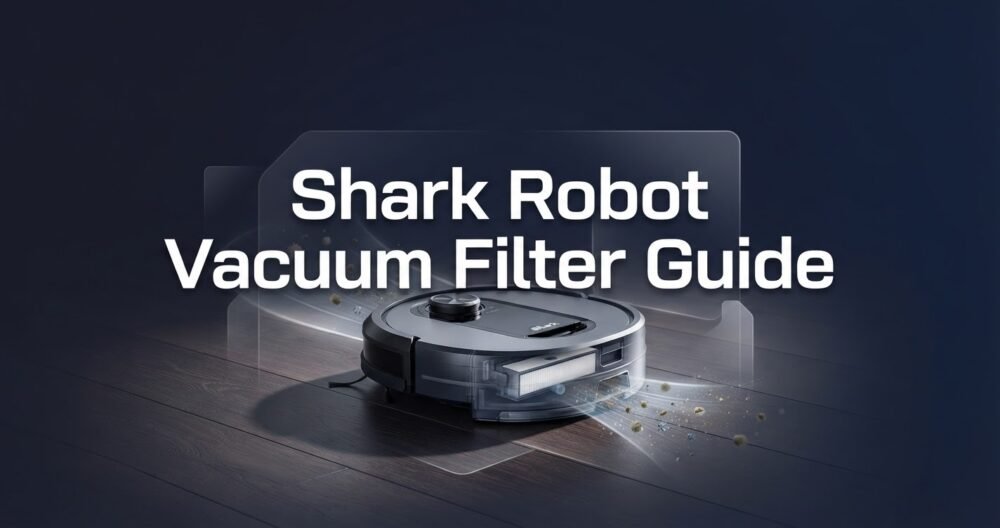
Shark Robot Vacuum Filter
Latest Update: August 11, 2026
Rinse washable HEPA filters every 2 weeks, because when the filter clogs, your Shark Robot Vacuum Filter setup becomes a performance bottleneck that quietly turns strong suction into weak pickup.
Key Takeaways
Fast answers
|
Quick comparison guidance
|
Common questions we see in 2026
- How often should you rinse a Shark Robot Vacuum Filter? Most washable filters are rinsed on a steady two week rhythm.
- Can you use a Shark Robot Vacuum with a dirty filter? Yes, but you will typically notice weaker suction and higher dust recirculation.
- Is a replacement filter worth it? Often, if rinsing no longer restores airflow or if a non washable filter is overdue.
View Best Price and Deals on Amazon<—-
Why the Shark Robot Vacuum Filter Matters More Than Most People Think
Forget everything you thought you knew about vacuum cleaners, the real story is airflow, filtration, and how consistently your robot vacuum can pull debris through the system.
Your Shark Robot Vacuum Filter is the gatekeeper between fine dust and the internal airflow path.
When it clogs, your Shark Robot Vacuum has to work harder to move the same amount of air, so pickup drops and fine particles can escape back into the room.
In 2026, households are also asking for fewer surprises, which is why filter maintenance has become part of routine home care. If you have pet hair messes, or if you are keeping an eye on allergy friendly cleaning, filtration is not optional.
Washable Versus Non Washable Shark Robot Vacuum Filter Upkeep, What to Do in 2026
Join me as we dissect the two maintenance paths, because the right routine keeps your Shark Robot Vacuum Filter performing like it should.
First, identify what you have. If your filter is washable, you will see guidance that supports rinsing. If it is non washable, you should avoid soaking and focus on dry cleaning.
- Washable filter routine: rinse on a steady interval, then let it fully air dry before reinserting.
- Non washable filter routine: tap out dry on a frequent schedule to restore airflow without moisture risk.
- Air dry rule: air drying matters for consistency, because a damp filter can slow airflow and cause odor issues.
If you want a simple habit, treat the filter like a car air filter. You do not wait until the engine struggles, you keep it clean so the system runs smoothly.
Washable filters need rinsing every two weeks, replacements last far longer.
View Best Price and Deals on Amazon<—-
Where Shark Filtration Shows Up on Real Models, Sealed Systems and HEPA Style Performance
At first glance, a filter might look like a small piece of plastic and mesh, but in Shark Robot Vacuum design, filtration is part of the engineering equation.
Several Shark vacuums emphasize a sealed filtration approach and HEPA style capture. That matters because your Shark Robot Vacuum Filter is doing more than trapping dust, it is helping control fine particulates while your robot navigates and cleans.
For example, the Shark Vertex cordless line highlights a sealed filtration system and HEPA filtration, plus anti hair wrap support that keeps hair from bogging down the cleaning path.
While this is not a robot vacuum model review, it illustrates the same philosophy that shows up in Shark Filter focused design across categories.
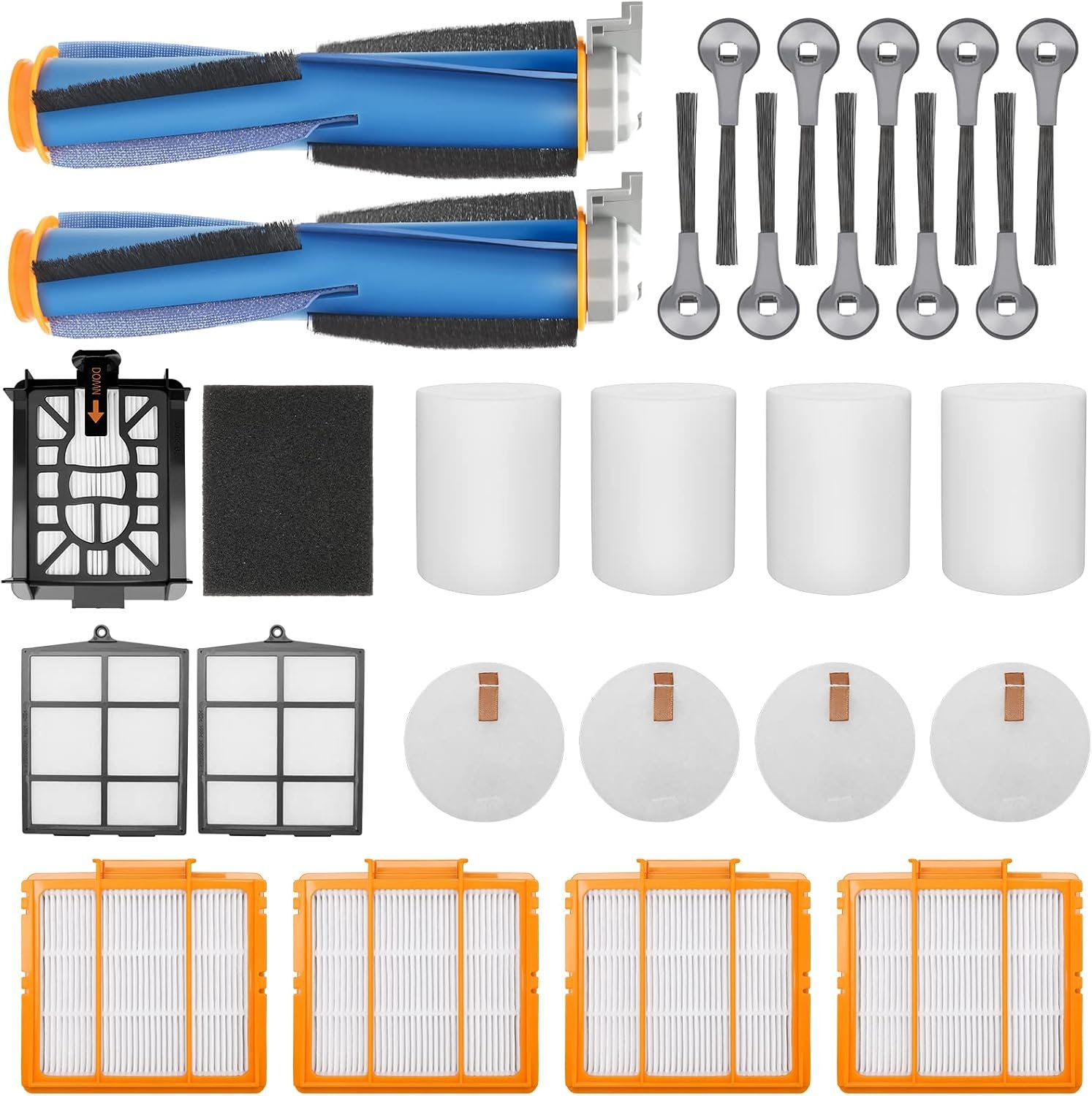
Here are the Shark style filtration signals we look for when we talk about Filter performance in 2026.
- Sealed filtration: helps keep fine dust inside the system rather than leaking around.
- HEPA filtration messaging: usually indicates multi stage capture of small particles.
- Anti hair wrap support: reduces the chance of hair clogging other airflow critical components that work alongside the filter.
View Best Price and Deals on Amazon<—-
How to Choose the Right Shark Robot Vacuum Filter, Fit, Function, and Replacement Timing
Imagine this, you swap your filter once and everything feels fine, then weeks later suction fades and the robot starts moving slower across the same spots. That is your clue to match the right Filter type and replacement cadence.
When we help discerning homeowners plan filter purchases, we focus on three practical steps.
- Confirm compatibility: match the filter to your exact Shark Robot Vacuum model and version.
- Decide washable versus non washable: your routine changes based on whether you rinse or tap out dry.
- Plan replacement early: if you see persistent odor, discoloration that will not recover, or airflow that will not bounce back, you should replace.
In homes with pets, we expect more frequent maintenance. Even if a filter is washable, the dust load and hair density can push you toward tighter intervals.
If you also want to understand how filtration integrity and battery management affect overall cleaning, we suggest reading Cordless Vacuum With Strong Suction: 2026 Buyers Guide, because the logic transfers directly to robot airflow reality.
Cleaning the Shark Robot Vacuum Filter Without Messing Up Your Robot Vacuum
Cleaning the filter should feel controlled, not messy. When you do it right, you protect both filtration and the rest of your Shark Robot Vacuum system.
Join me as we dissect a careful process you can repeat every cycle.
- Remove carefully: take out the filter gently to avoid shaking dust back into the robot interior.
- Tap out dry when needed: for non washable filters, remove dust without water.
- Rinse washable filters: rinse according to the filter type, then air dry fully before reinserting.
- Do not rush drying: air dry supports stable airflow and consistent cleaning after you reassemble.
Air dry for 12 to 24 hours before reinserting, especially if you are rinsing frequently. If you keep it damp, you can create the exact conditions that reduce pickup performance.
This is also where we see seniors benefit from a predictable routine. A simple two step rhythm, remove, rinse or tap, and then reinstall only when fully dry, keeps independence high and chores low.
Pet Hair, Allergies, and High Dust Homes, When You Need More Than a Standard Filter Schedule
For pet owners, filter maintenance is not just about convenience. It is about keeping the system from being overwhelmed by hair and fine debris.
If your home has carpet transitions, couch dust, and regular pet activity, your Shark Robot Vacuum Filter often reaches its dirty threshold faster than standard guidance. That means your replacement and cleaning rhythm should reflect real life in 2026.
- More frequent cleaning: you may rinse sooner or tap out dry more often.
- Watch airflow symptoms: slower movement across the same area can indicate filter restriction.
- Pair filtration with hair resistance: anti hair wrap helps reduce the hair load that can clog airflow paths around the filter.
View Best Price and Deals on Amazon<—-
We also like how Shark designs around hair resistance and sealed filtration, because it reduces the chance that hair and dust teams up to defeat the Filter system.
If you want a broader context for how Shark approaches filtration and value in 2026, visit Hoover vs Shark Vacuum: Which Brand Wins in 2026.
Actionable Next Steps, Your 2026 Shark Robot Vacuum Filter Plan
Cleaning should not be a source of pain or frustration. Here are clear Actionable next steps you can follow this week.
- Check filter type: washable or non washable, so you know whether to rinse or tap out dry.
- Set your calendar: two weeks for washable filters, weekly dry cleaning for non washable filters.
- Plan drying time: air dry fully before reinserting, so you protect airflow from day one.
- Inspect every few cycles: if suction does not return, replace the filter instead of continuing to struggle.
- Shop with fit in mind: match your Shark Robot Vacuum Filter to your exact robot model to avoid partial seating and leaks.
If you are building a reliable home cleaning routine in 2026, this is one of the simplest investments in a cleaner home. It helps your Shark Robot Vacuum keep powerful performer behavior without you doing extra work.
Conclusion
A well maintained Shark Robot Vacuum Filter is how you keep your Shark Robot Vacuum performing at its best in 2026.
We recommend a consistent rinsing or dry cleaning rhythm, full air drying for washable filters, and timely replacement every 2 to 3 months, or sooner if pets and heavy dust push your schedule.
When the Filter system stays clean, your robot vacuum spends more time cleaning, and less time fighting clogged airflow.
That is the practical difference between a robot that feels effortless and one that starts underperforming without warning.
View Best Price and Deals on Amazon<—-
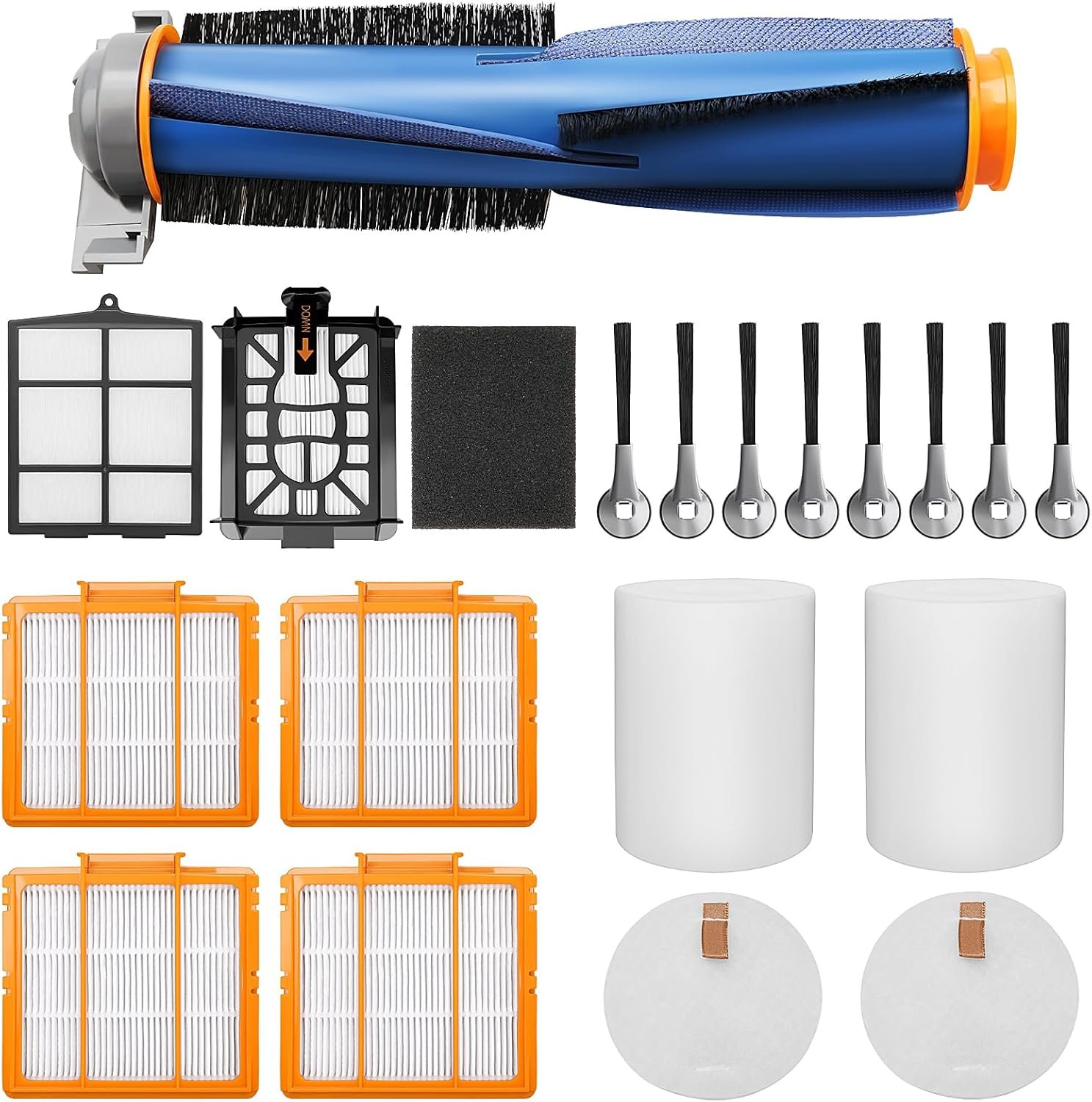
Frequently Asked Questions
How often should I clean my Shark Robot Vacuum Filter in 2026?
If your Shark Robot Vacuum Filter is washable, we recommend rinsing every two weeks. If your filter is non washable, tap out dry weekly so airflow stays stable.
Should I rinse or tap out dry for my Shark Robot Vacuum Filter?
Rinse only if your specific Shark Robot Vacuum Filter is labeled washable. For non washable filters, tap out dry weekly, because soaking the wrong filter type can reduce performance and create extra maintenance problems.
When should I replace a Shark Robot Vacuum Filter instead of cleaning it?
Plan on replacing the filter itself every 2 to 3 months, especially if cleaning no longer restores suction. If you notice persistent airflow weakness or odor even after maintenance, replacement is usually the cleanest fix.
Do pets require a different Shark Robot Vacuum Filter schedule?
Yes, pet owners and allergy households should usually double the pace for washable filters, aiming for every 1 to 2 weeks. More hair and fine dust load means your Shark Robot Vacuum Filter reaches restriction faster.
Is HEPA filtration part of a good Shark Robot Vacuum Filter setup?
HEPA style filtration can be a strong sign that fine particulates are being captured effectively. The best results also depend on keeping the Shark Robot Vacuum Filter clean, because even HEPA systems underperform when airflow is restricted.
What are the signs my Shark Robot Vacuum Filter is clogged?
You may see weaker pickup, slower coverage across the same floor area, or more visible dust left behind. If cleaning has been skipped for a while, a filter check should be your first step before troubleshooting other parts.